Sweeping Visa Reviews Signal Growing Volatility in the U.S. Immigration System
.png "Sweeping Visa Reviews Signal Growing Volatility in the U.S. Immigration System")
Trump administration expands continuous vetting as immigration programs face sweeping changes
August 22, 2025 – Washington, D.C.
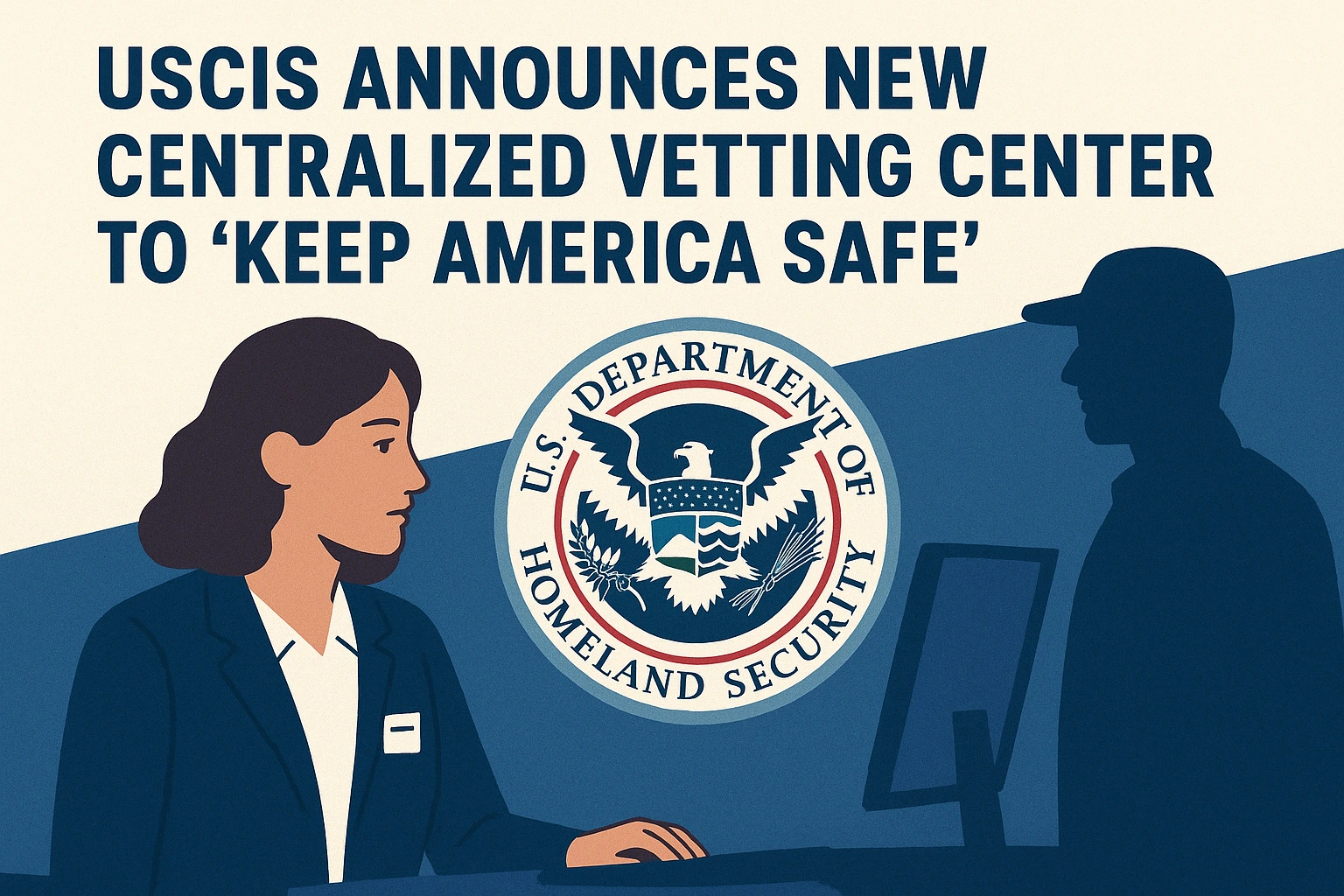
The landscape for U.S. visas is becoming increasingly volatile, as a series of policy decisions from the Trump administration bring sweeping changes to immigration enforcement. The State Department has confirmed that more than 55 million visa holders, across categories including work, student, tourist, and exchange, will now face “continuous vetting.” This will allow authorities to revoke visas if new concerns about eligibility emerge.
The measure marks a significant departure from previous practices, where background checks and vetting were largely confined to the application stage. Under the new approach, reviews will remain active throughout the duration of a visa, and the past approvals no longer guarantee security of status. Officials have cited indicators such as visa overstays, criminal conduct, threats to national security, or ties to extremist activity as potential grounds for cancellation. At the same time, the administration has expanded scrutiny into online behavior, with social media posts and ideological views being weighed as part of the eligibility assessment.
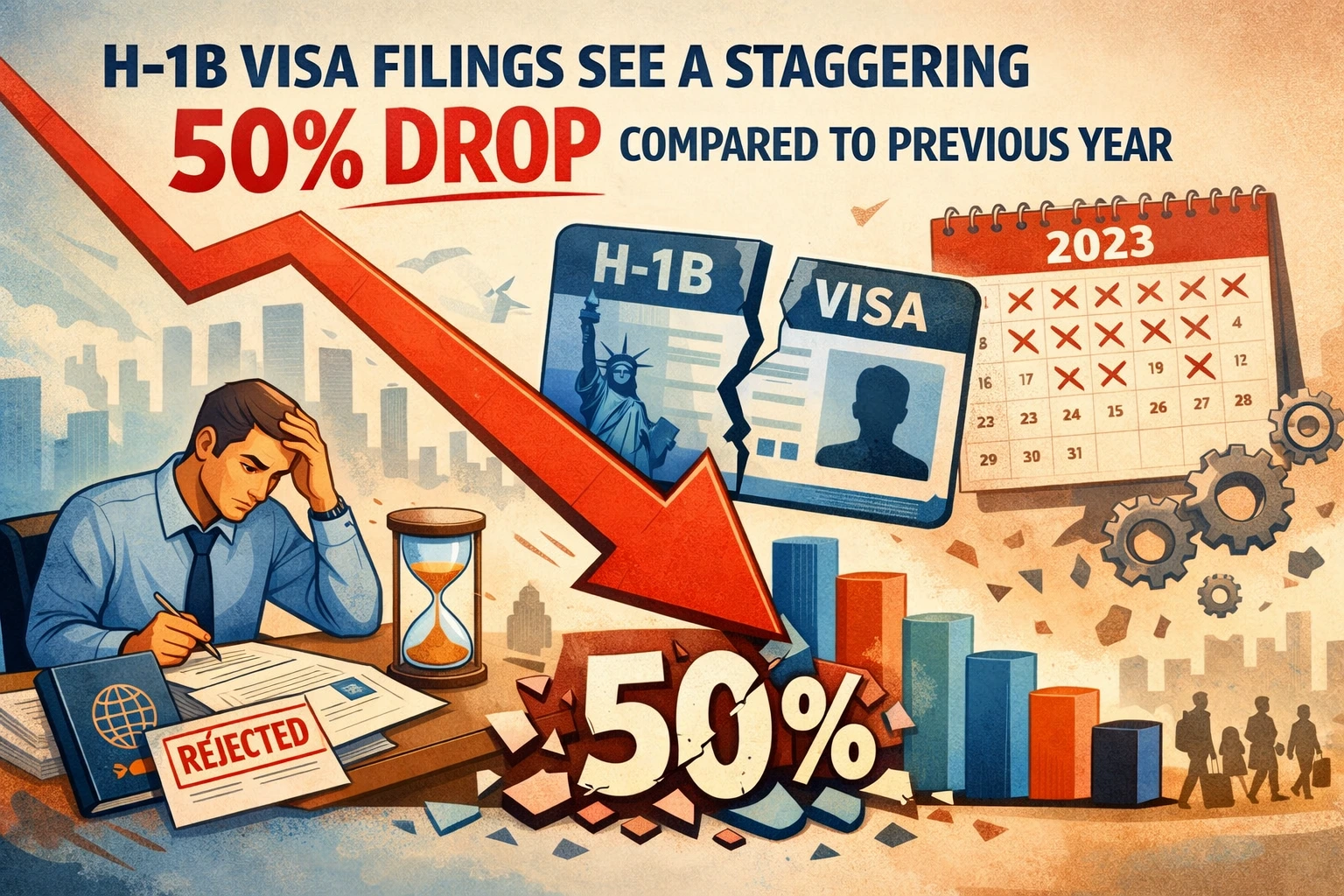
These changes come against a backdrop of mounting disruption in other visa programs. Student visas have faced repeated upheaval this year, including the revocation of thousands of approvals, suspension of interviews, and broader monitoring of campus activity. Work visas have also been affected, most notably with the suspension of new approvals for commercial truck drivers. For professionals on the H-1 visa, the transition from a lottery-based system to a wage-based selection model has further heightened uncertainty.
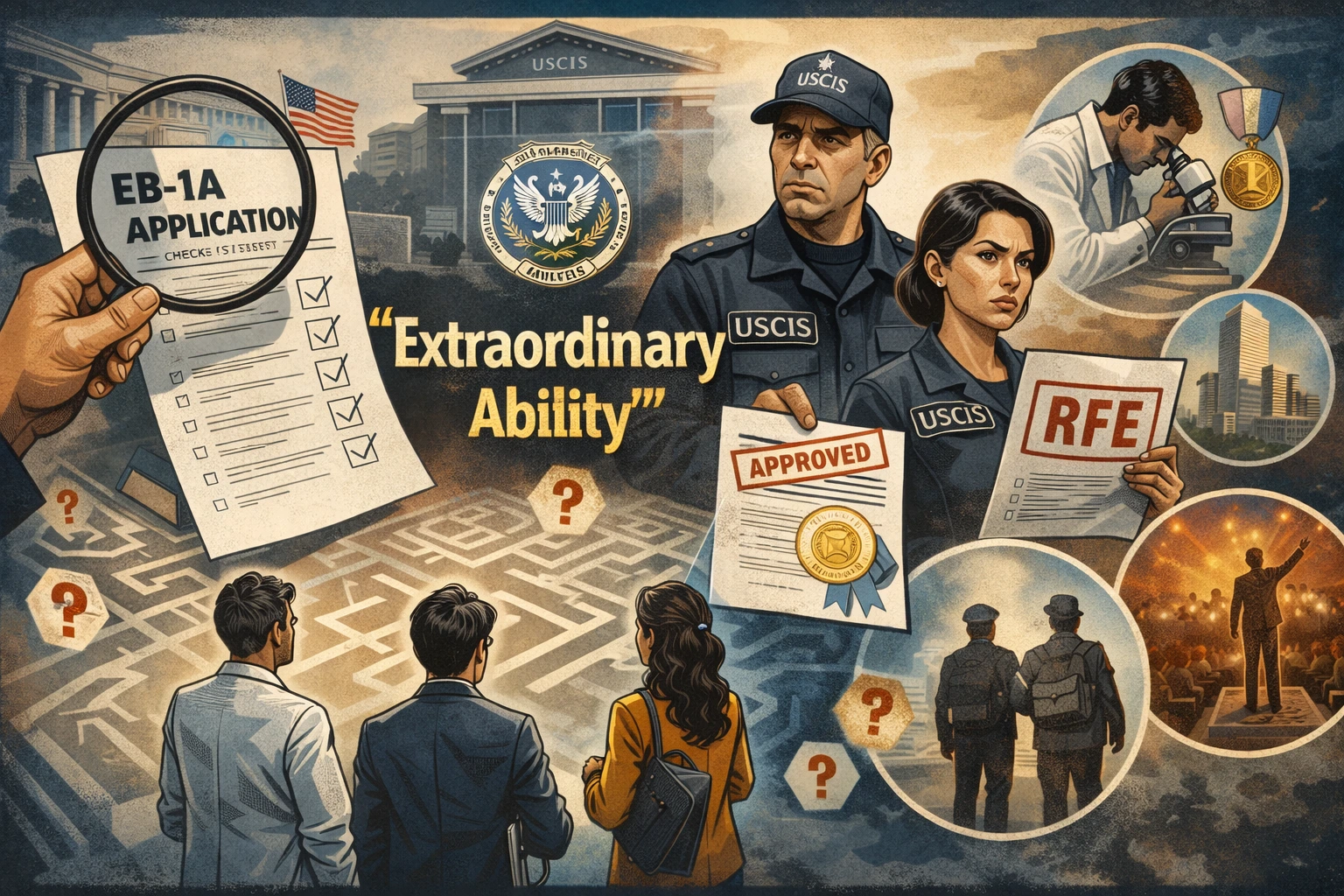
Immigration analysts note that the convergence of these measures has created one of the most unpredictable environments in recent history for foreign nationals living and working in the United States. The volatility has prompted many skilled professionals to explore longer-term solutions, including the EB-1A green card, which offers permanent residency without the sponsorship requirements of temporary work visas.

.webp)
.png)